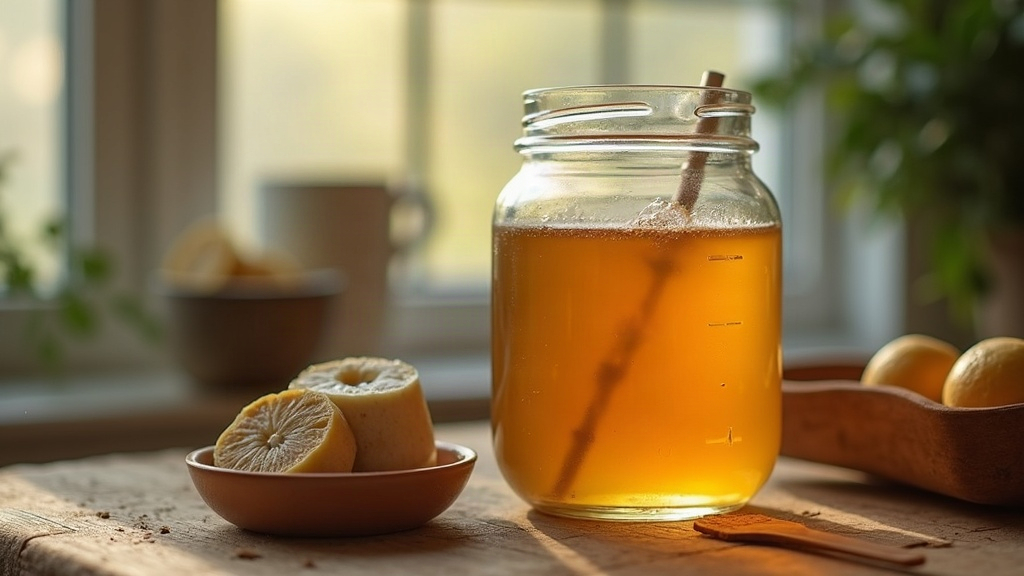
Long before glucose meters and food apps, families kept simple kitchen rituals like Biblical drink (oil)/ Honey blend on the table. This page looks at that old habit through a food-and-history lens — not a medical one.
Same alarm. Same coffee. Same questions at every meal. If any of this sounds familiar, you’re not alone in it.
You wake up tired even after a full night. Coffee helps a little, but the fog lingers until midday.
Energy climbs, then drops hard an hour after eating. The afternoon slump becomes part of the schedule.
So much conflicting advice. Every label feels like a small decision with too much riding on it.
Planning three meals a day, every day, adds up. It's less about hunger and more about mental load.
A lot of what we hear about food and blood sugar started as a rumor at someone’s dinner table. Let’s sort a few of them out.
All carbohydrates are the enemy.
Carbohydrates are one part of a plate, not a single villain. Type, portion, and pairing all shape how a meal feels afterward.
Fruit is basically candy.
Whole fruit comes with fiber and water that candy doesn’t. Context and portion matter more than the fruit itself.
There’s a special category called ‘diabetic food.’
Most ‘diabetic’ labels are a marketing term, not a nutrition category. Everyday, real food prepared thoughtfully works for the whole table.
None of this replaces medical care — always keep following the plan you and your doctor have already worked out. These are simply habits some people layer on top of that, around how a meal is put together.
Some people eat vegetables first, protein next, and starches last. It’s an old habit, more about order than restriction.
Eating over twenty unhurried minutes instead of five feels different. Put the fork down between bites. Talk. Breathe.
A short, easy walk after a meal — even just around the block or up and down the stairs — is a habit many households have kept for generations.
Long before supplement aisles existed, Mediterranean households mixed olive oil and honey as a pantry staple. It was drizzled over warm bread, stirred into water as an evening drink, or offered to guests as a gesture of hospitality. Recipes for this kind of blend appear in old family cookbooks passed down through generations, tied more to ritual and welcome than to any modern wellness trend. It sat on the table the way salt or vinegar did — a familiar flavor, not a formula.
This is a story about the kitchen, not the body. Old habits like this one are part of culture and comfort — what someone eats day to day still deserves a conversation with the doctor who already knows their full history.
If the same meal seems to affect your day differently week to week, that pattern is worth describing to your doctor at your next visit.
Fatigue that stays no matter how much rest you get is worth mentioning to the professional who manages your care.
A noticeable change in thirst or how often you feel it is a detail your doctor can put in context, not something to guess about alone.
If your usual at-home monitoring routine feels harder to interpret than before, bring the confusion straight to your care team.
Eating a lot more or a lot less than usual, without a clear reason, is worth a conversation at your next appointment.
Before trying a new eating pattern or cutting out a food group, check in with your doctor so it fits safely with your current plan.
These are individual experiences shared for illustration only. Results and routines vary from person to person, and none of this reflects a guaranteed outcome.
See how an old household habit made its way into modern kitchens — and remember, this page is educational only. Keep following your doctor’s guidance and don’t change your diet, routine, or any prescribed treatment without talking to them first.
Advertising Disclosure: This page contains sponsored content and affiliate links. We may receive compensation if you click a link or make a purchase through the links provided on this page. This helps support the content at no additional cost to you.
Content Disclaimer: This content is for educational and informational purposes only. It has not been evaluated by the FDA and is not intended to diagnose, treat, cure, or prevent any disease. This information does not substitute professional medical advice. Always consult a qualified healthcare professional before changing your diet, routine, or any prescribed treatment.
Results Disclaimer: Individual results vary. Testimonials and examples shared on this page reflect personal experiences and are not a guarantee of similar outcomes for any reader.
© 2026 · All Rights Reserved